PROTECTING THE WILDLIFE
Meet the Biologist: Protecting Wildlife Before Bridge Demolition
Posted September 23, 2026 · 7th Street Bridge Project Team · 2 min read
Video Alt text / transcript
Video titled “Meet the Biologist — 7th Street Bridge Project.” Jordan, on-site biologist, stands
near the bridge structure. Burned-in captions show Jordan introducing himself and explaining
that his job is to ensure wildlife stays protected during demolition — confirming no bats were
nesting in the bridge, and clearing cliff swallow nests built along its sides, before demolition
began.
Video titulado “Conozca al Biólogo — Proyecto del Puente de la Calle 7.” Jordan, biólogo en el
sitio, aparece cerca de la estructura del puente. Los subtítulos incluidos en el video muestran a
Jordan presentándose y explicando que su trabajo es garantizar la protección de la vida
silvestre durante la demolición, confirmando que no había murciélagos anidando en el puente y
retirando los nidos de golondrinas de risco construidos a los costados, antes de que comenzara
la demolición.
Before Any Demolition Begins
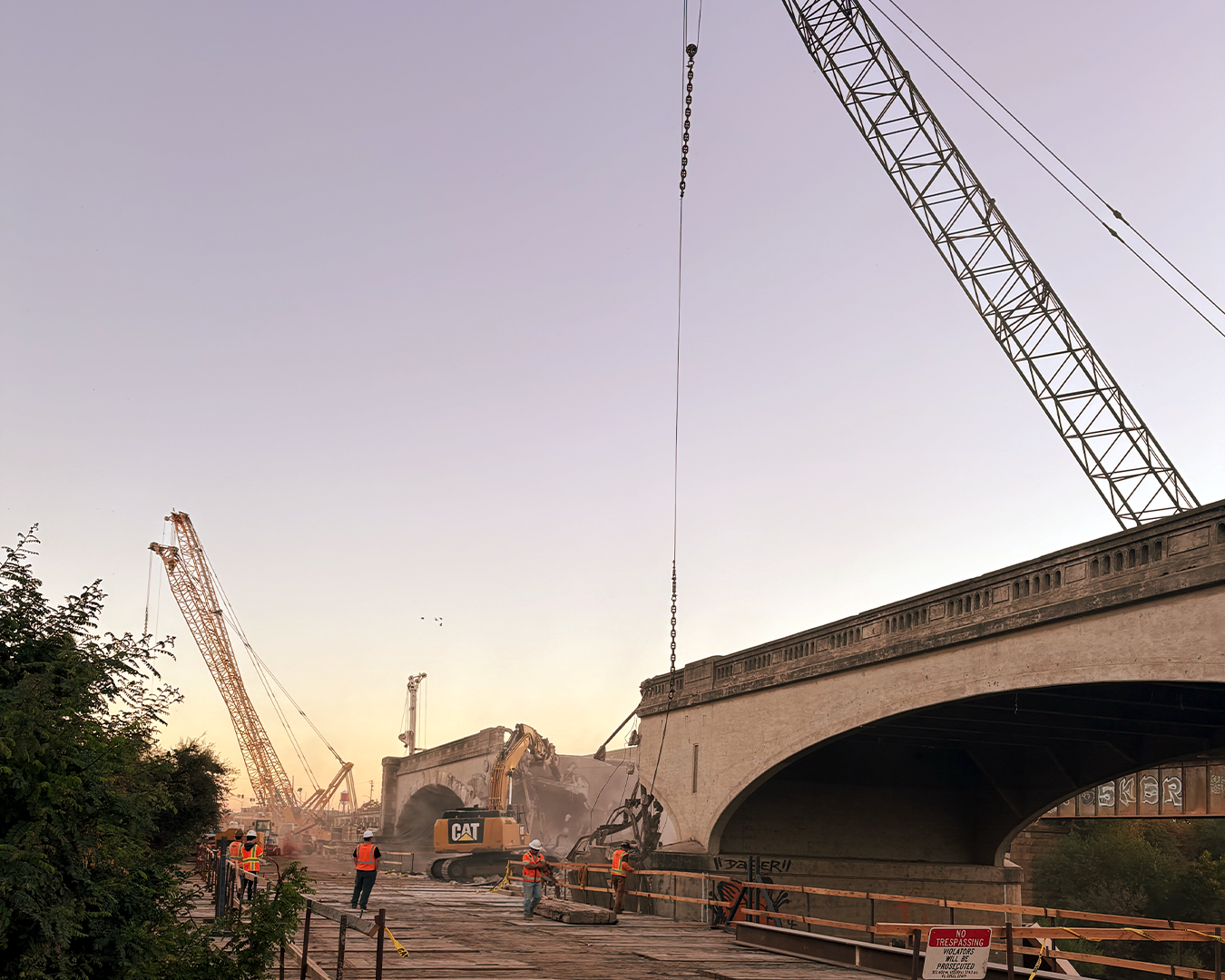
Before a single piece of the historic 7th Street Bridge could come down, the project had one more team to send in first: wildlife. Biologist Jordan spent time on-site surveying the bridge structure — checking for bats roosting inside the box girders and confirming the status of cliff swallow nests built into the sides of the span — before crews were cleared to begin demolition work.
It’s a step that’s easy to miss in a project this size, next to the engineering and construction milestones. But for a 110-year-old bridge spanning the Tuolumne River, the structure itself had become habitat over the last century, and the project’s environmental clearance — completed in compliance with both the California Environmental Quality Act (CEQA) and the National Environmental Policy Act (NEPA) — meant that habitat couldn’t just be cleared without a proper survey first.
Why a Survey Comes Before the Machinery
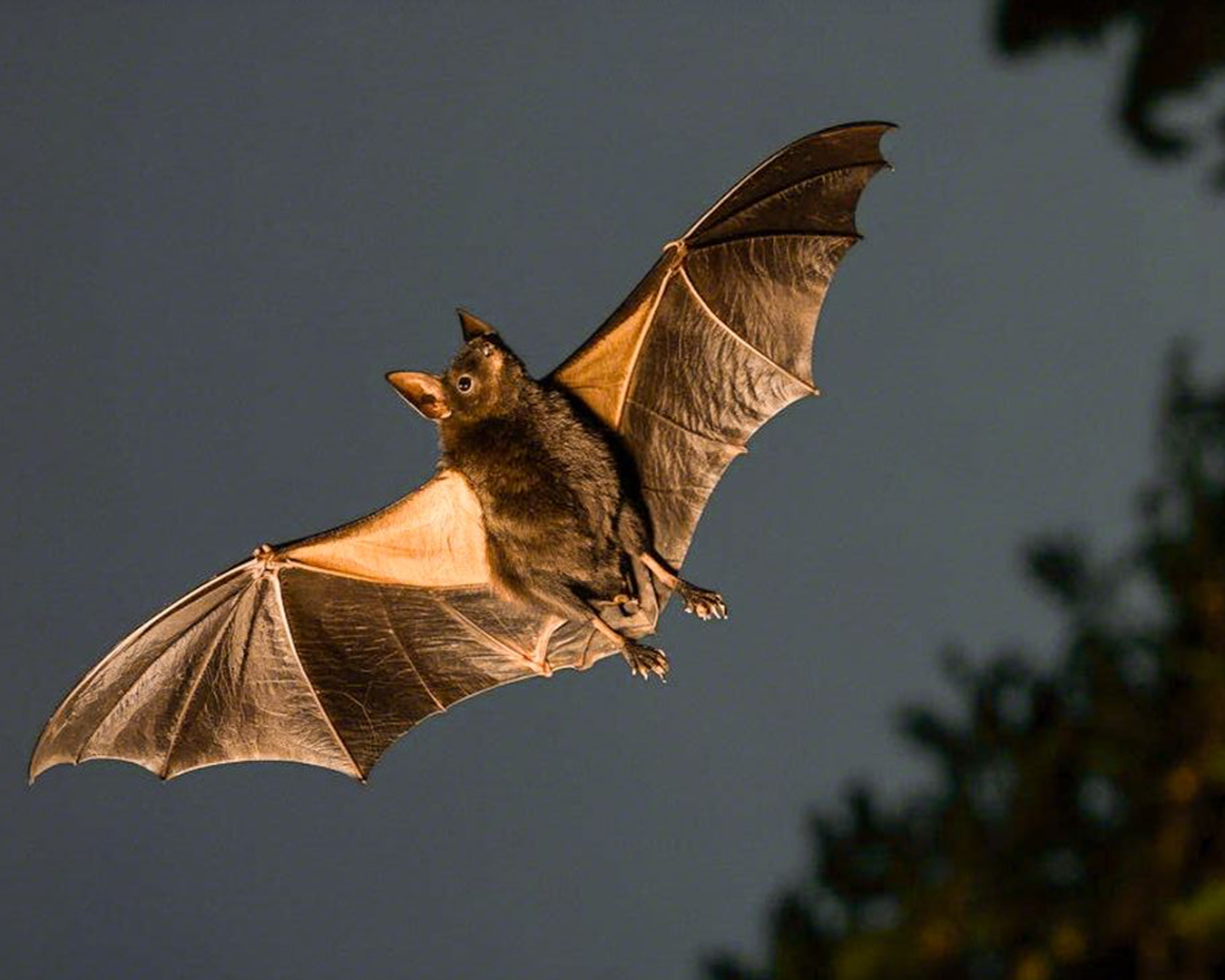
Old bridges like the original Seventh Street span are common wildlife habitat, whether people notice it or not. The gaps, crevices, and box girders in a structure like this can shelter bat colonies, while the underside eaves and vertical concrete faces are exactly the kind of ledge cliff swallows build their mud nests against year after year. Cliff swallows are a migratory species, and active nests are protected — which means a project can’t simply demolish a structure without first confirming what, if anything, is still living in it.
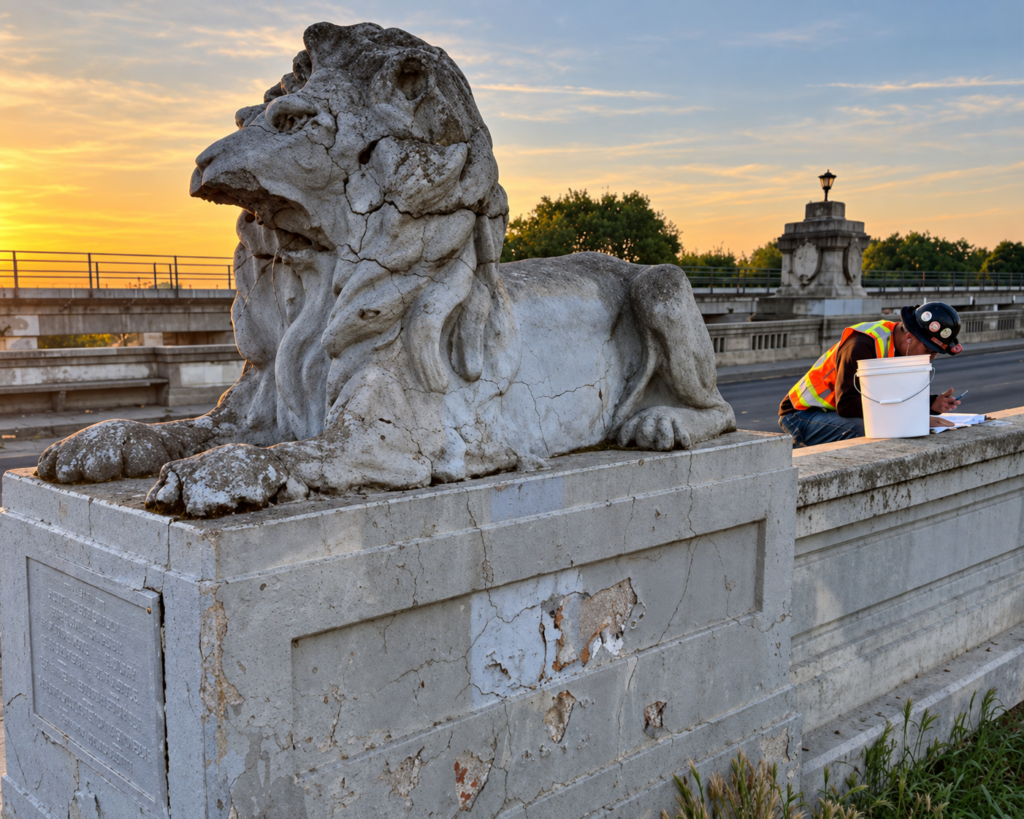
That’s what Jordan’s survey was for: walking the bridge, documenting nesting activity, and confirming the structure was clear before demolition crews could move in.
What the Survey Found
Jordan’s on-site check confirmed the bridge itself was clear of active bat roosts — no bats were found nesting inside the structure at the time of the survey. The cliff swallow nests built along the sides of the bridge were a different story, and those had to be addressed directly: cleared out ahead of demolition so the birds wouldn’t return to nest in a structure that was about to come down.
Bats did factor into the broader wildlife plan for the bridge, just from a different angle — a separate part of the project’s wildlife protection work, covered in Protecting the Bats, involved installing one-way exclusion doors elsewhere on the structure so any bats using other parts of the bridge could safely leave on their own timeline, without being able to re-enter once demolition began.
Timing Matters As Much As the Survey Itself
Wildlife surveys like this aren’t a one-time checkbox — they’re timed around nesting seasons, not construction schedules. Clearing cliff swallow nests has to happen before birds return to nest for the season, not after, and any bat activity has to be confirmed clear before exclusion work or demolition can start in that area. That’s part of why wildlife work like Jordan’s happens well ahead of a visible milestone like Demolition Day — the groundwork for a safe teardown starts with making sure nothing living is still calling the bridge home.
A Safe Send-Off
By the time crews were cleared to begin demolition, the wildlife piece of the puzzle was already handled — nests cleared, no active bat roosts found, and the structure confirmed ready. It’s a small piece of the overall project timeline, but it’s the kind of step that keeps a 21-month construction schedule moving without unintended delays, and makes sure the bridge’s wildlife got the same careful, planned-out treatment as everything else on this project.
Questions or Comments?
Email Us At construction@pw.stancounty.info
Seventh Street Bridge Project · Stanislaus County | City of Modesto