PROTECTING THE WILDLIFE
Protecting the Bats: How Crews Prep a Century-Old Bridge for Demolition
Posted September 23, 2026 · 7th Street Bridge Project Team · 2 min read
Video Alt text / transcript
Ray Tunkel, chief inspector for Dewberry, describes the bat exclusion process used before bridge
demolition. Burned-in captions show Tunkel explaining that bats were found living inside the
bridge, and that the structure is being covered in plastic with one-way exclusion tubes installed
— allowing bats to exit but not re-enter — so the bridge can later be safely demolished without
harming any bats.
Ray Tunkel, inspector en jefe de Dewberry, describe el proceso de exclusión de
murciélagos que se realiza antes de la demolición del puente. Los subtítulos incluidos en el
video muestran a Tunkel explicando que se encontraron murciélagos viviendo dentro del
puente, y que la estructura está siendo cubierta con plástico e instalada con tubos de exclusión
de un solo sentido, que permiten que los murciélagos salgan pero no puedan volver a entrar,
para que el puente pueda demolerse de manera segura más adelante sin dañar a ningún
murciélago.
Who Else Calls the Bridge Home
Before demolition can begin, the team has to think about who else calls the bridge home. Ray Tunkel, chief inspector with Dewberry, walked us through the bat exclusion process at the 7th Street Bridge project — covering sections of the structure in plastic and installing one-way doors that let bats safely leave on their own but not return, so demolition could move forward without harming the colony.
Why a Century-Old Bridge Attracts Bats
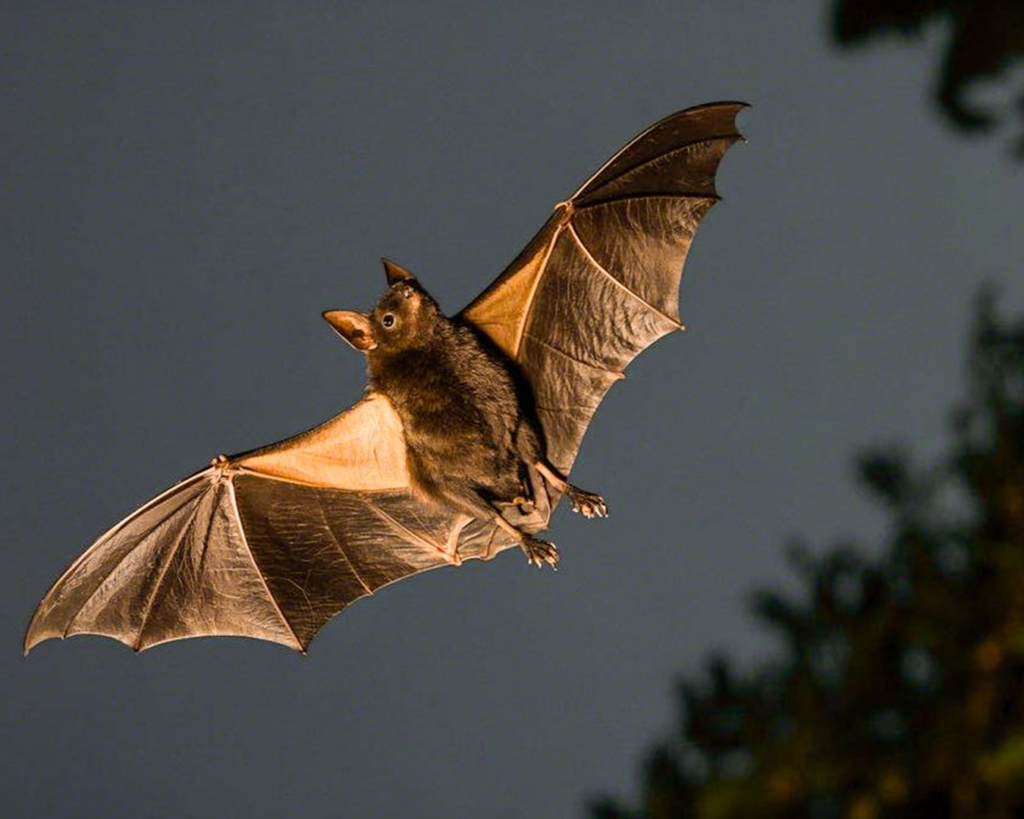
The original Seventh Street Bridge is a rare surviving example of a cantilevered concrete — or “canticrete” — arched bridge, with steel trusses encased in concrete. That kind of construction leaves exactly the sort of gaps, joints, and crevices bats look for: dark, enclosed, and sheltered from weather and predators. After 110 years standing over the Tuolumne River, it’s no surprise the structure had become roosting habitat for a bat colony — which meant the project’s environmental compliance work, cleared under both CEQA and NEPA, had to account for them before any demolition equipment could move in.
How the Exclusion Process Works
Rather than disturbing the colony directly, crews used a humane exclusion method built around timing, not force. Sections of the bridge were covered in plastic sheeting, and one-way exclusion doors were installed at the bats’ known entry and exit points. The doors work exactly as they sound: bats can still leave the bridge each night to forage as they normally would, but once they’re out, the one-way mechanism keeps them from flying back in and re-roosting. Given a few nights, the colony relocates on its own — no trapping, no direct handling, just patience and a well-timed barrier.
Timing Is Everything
Exclusion work like this is scheduled carefully around the bat life cycle. Installing exclusion devices during maternity season — when flightless pups are too young to leave the roost on their own — can separate them from their mothers, so this kind of work is typically done outside that window. Getting the timing right is as much a part of the process as the plastic and the doors themselves, and it’s why bat exclusion happens well before a visible milestone like Demolition Day, not the week of.
Working Alongside the Biologist’s Survey
Ray’s exclusion work didn’t happen in isolation — it was part of the same wildlife protection effort covered in Meet the Biologist, where on-site biologist Jordan surveyed the bridge for both bats and cliff swallow nests ahead of demolition. Between the two efforts, the project treated the bridge’s wildlife with the same level of planning as its engineering: confirm what’s there, give it a safe way out, and only then bring in the equipment.
Clear for Demolition
Once the exclusion period ran its course and the bridge was confirmed clear, crews were able to move forward with demolition, knowing the colony that had called the structure home for who knows how long had a safe way out first.
Questions or Comments?
Email Us At construction@pw.stancounty.info
Seventh Street Bridge Project · Stanislaus County | City of Modesto